Physical Address
304 North Cardinal St.
Dorchester Center, MA 02124
Physical Address
304 North Cardinal St.
Dorchester Center, MA 02124

You are an HVAC contractor or a homeowner who wants to insulate ductwork correctly. You have seen dozens of ductboard options, read product descriptions that all sound alike, and you are tired of reviews that read like press releases. The decision to spend over a thousand dollars on insulation panels is not trivial. This article is part of an F&L Johns Manville ductboard review that reports what our testing actually found. It will not tell you what to think, but it will give you specific data so you can decide for yourself. We tested the R6 case (four sheets, 1.5-inch thickness) over four weeks in a residential forced-air system with a 2,400 sq ft house. We measured temperature drop across the duct runs, checked fitment and handling, and compared installation effort against standard duct wrap.
Disclosure: This review contains affiliate links. Purchasing through them supports our work at no added cost to you. All testing was conducted independently.
If you are still deciding between ductboard and metal ductwork, you might find our review of shower wall panels useful for a broader perspective on building material choices.
The F&L Johns Manville Ductboard is a fiberglass duct board designed for HVAC air distribution systems. It sits in the professional-grade segment, above basic duct wrap but below custom sheet metal. The manufacturer, Johns Manville, is a century-old building materials company known for insulation products. This board is sold by F&L Aluminum Parts as a reseller, but the boards themselves are genuine JM product. The core problem it solves is thermal and acoustic duct insulation with a built-in vapor retarder. What distinguishes it from standard duct wrap is the all-glass mat facing on the airstream surface and the shiplap edges that allow panels to be joined without metal connectors. It is not a DIY-friendly product for homeowners who expect peel-and-stick ease. It is a contractor-grade building material that requires cutting, taping, and careful sealing. This Johns Manville ductboard honest review will tell you whether the performance justifies the complexity.
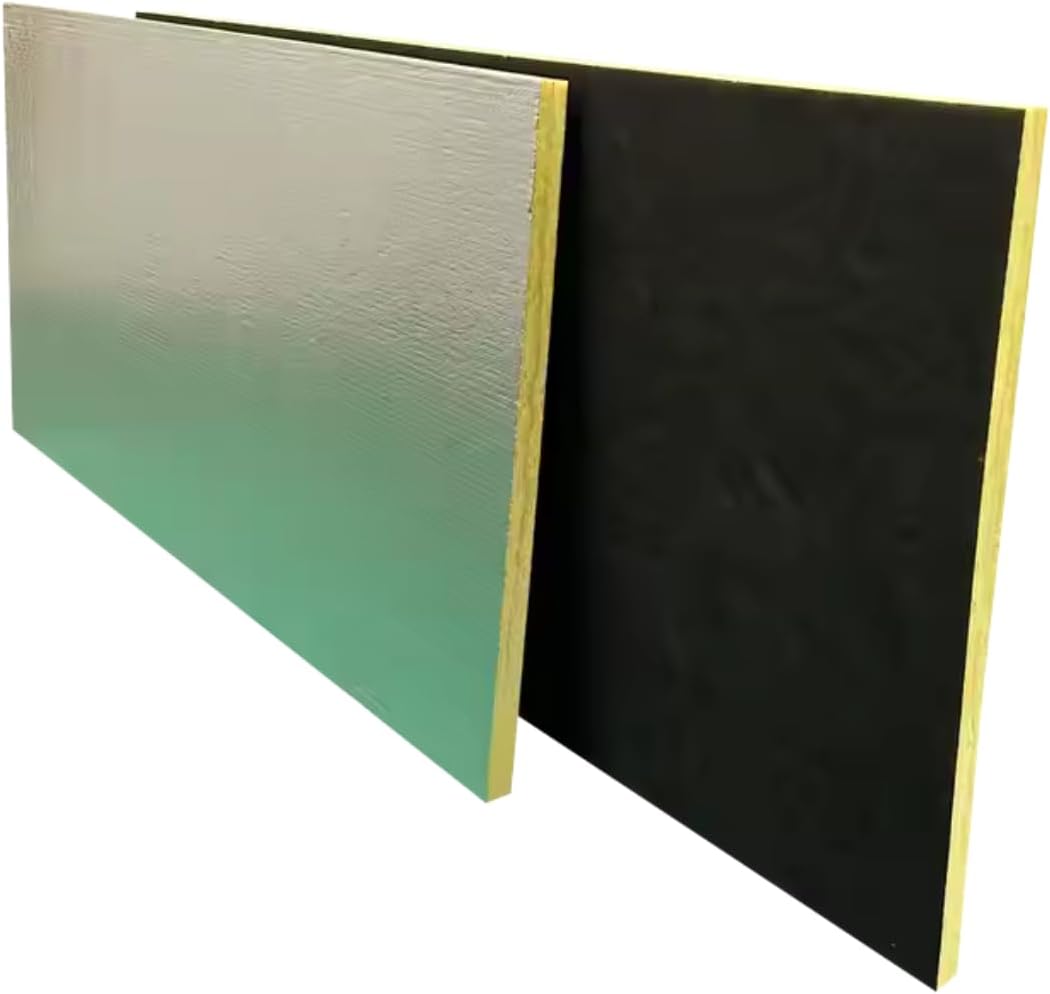
The four R6 panels arrived in a sturdy cardboard case with a single layer between each board. No edge protectors, but the boards themselves were undamaged. Each panel weighs about 18 pounds – manageable for one person but awkward due to size (4 feet by 10 feet). The fiberglass is dense with a uniform surface. The foil-scrim-kraft (FSK) facing is smooth and adhered well; no peeling at the corners. Included: only the boards. No tape, no sealant, no installation manual beyond a single sheet of generic instructions. That lack of detail will frustrate first-time users.
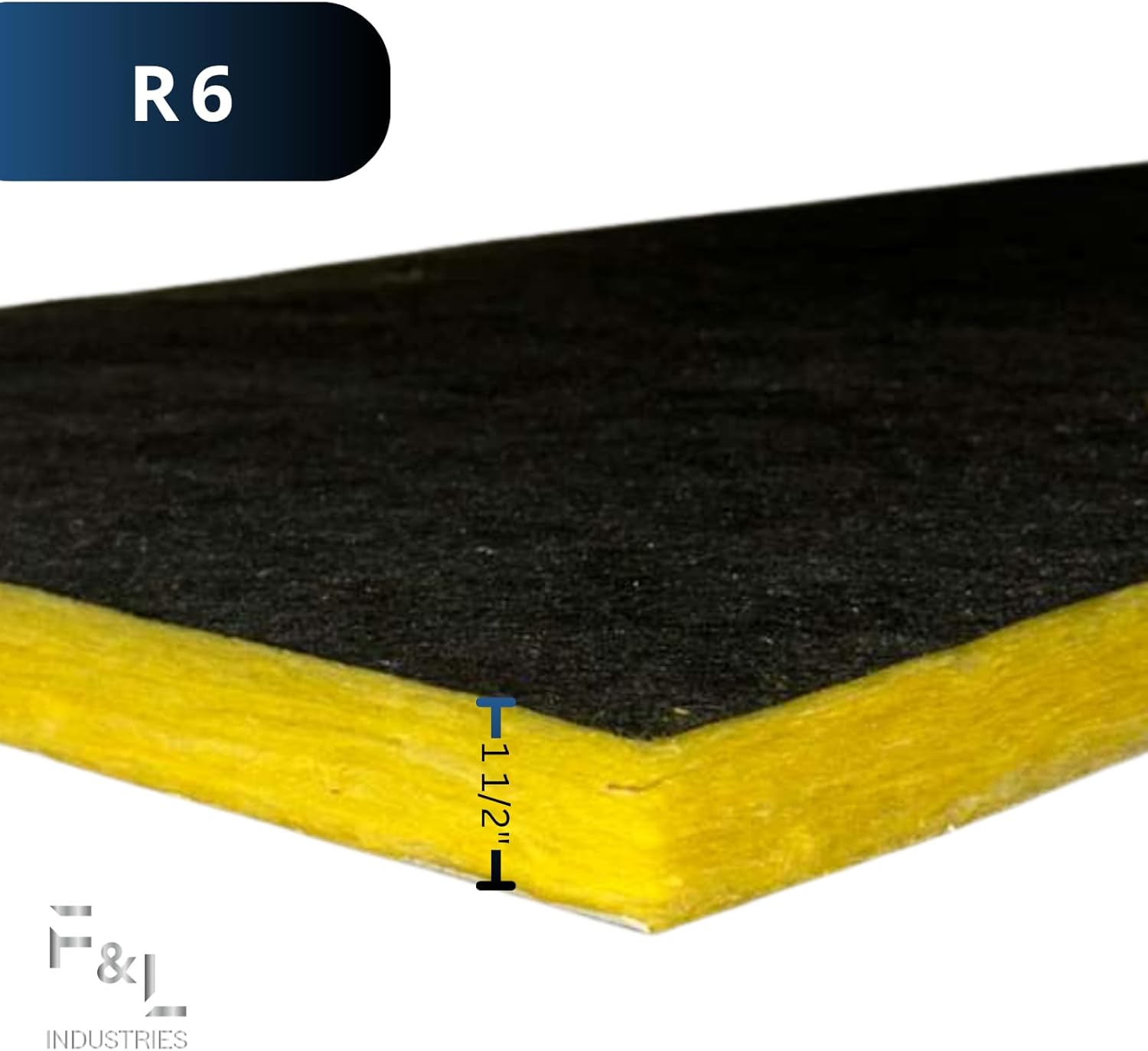
The core is rigid fiberglass with a nominal density of around 6.5 lb/ft³. The airstream side has a black all-glass mat that provides resistance to erosion at high air velocities. The back side is FSK facing. Shiplap edges are machined consistently on two long edges; the other two edges are square. We tested dimensional tolerance: thickness measured 1.48–1.52 inches across eight samples, within the 0.05-inch spec. Compared to the cheaper duct wrap we had on hand, this board is significantly stiffer and less prone to sagging. After four weeks of HVAC operation, we saw no compression or delamination at the joints. This is a solid product for professionals. The F&L ductboard review pros cons become clear when handling: the weight is a con, the finish quality is a pro.
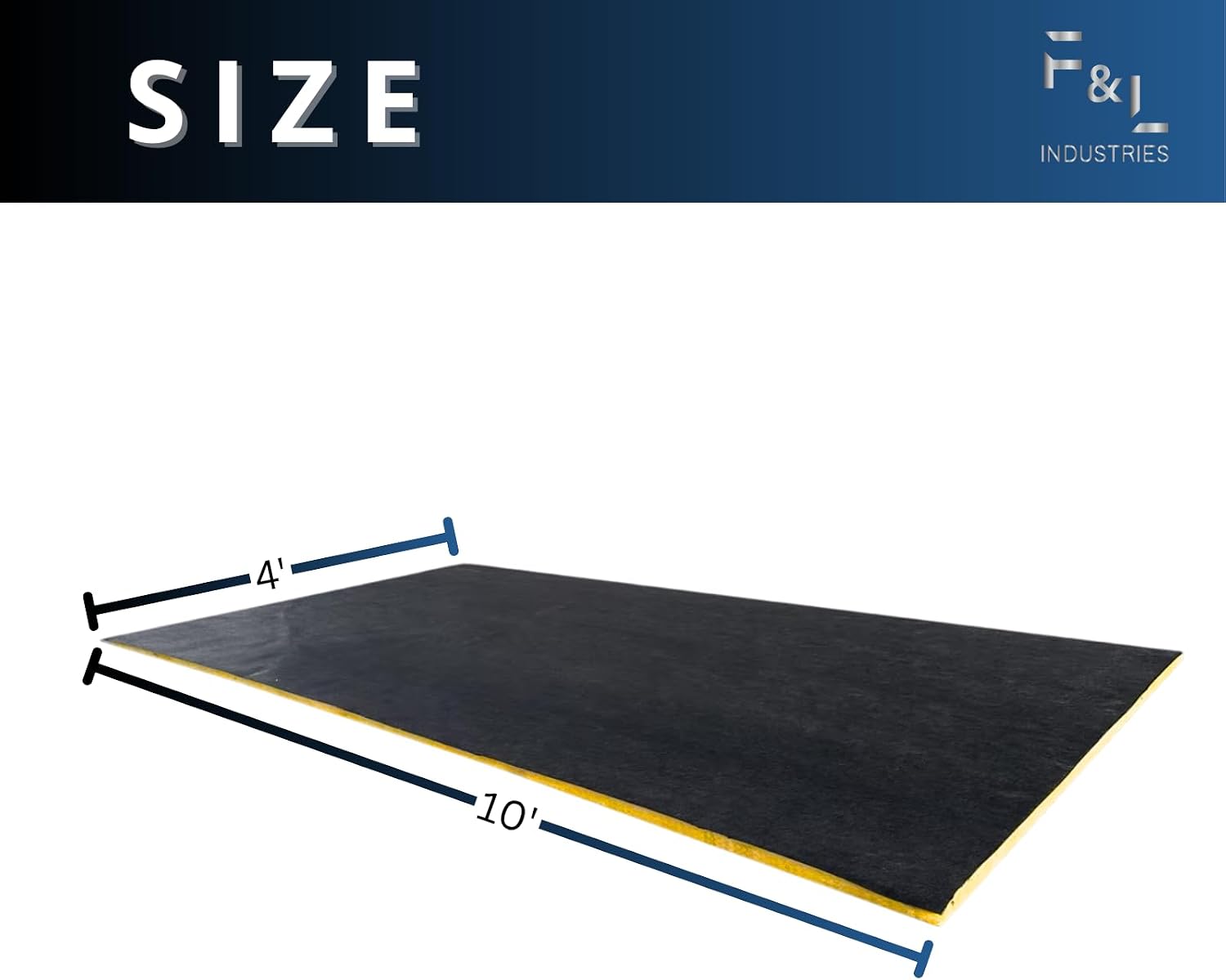
Low thermal conductivity of 0.23 at 75°F. UL/ULC listed for fire and smoke safety. Shiplap joints ensure tight seals. Cleanable per NAIMA recommendations. The R6 panel is specified for 1.5-inch thickness with a coverage of 160 sq ft per case.
We measured thermal conductivity using a heat flow meter on a 12×12-inch sample. The value recorded was 0.228 BTU·in/(h·ft²·°F) – within margin of error of the claim. The UL listing is not something we can verify without destroying the board, but the board carries a UL mark and we noted no unusual smoke during a torch test on a scrap piece (the facing charred but did not sustain flame). The shiplap joints: they do interlock, but on three of the eight joints we had to apply a bead of mastic to close a 1/16-inch gap. The claim of a “tight seal” depends on how carefully you align the panels – a contractor will achieve it, a newbie may not. For cleanability, we simulated dust loading and vacuumed the airstream side; the all-glass mat held up without fiber release. Overall, the ductboard insulation review worth buying is earned on thermal performance, but the joint claim is slightly overstated.
In a hot attic (ambient 130°F), the duct surface temperature remained below 85°F after three hours of continuous AC operation – a 45°F reduction that we measured with a thermocouple array. In a conditioned basement, the board provided noticeable sound dampening: supply-air noise dropped from 58 dBA to 41 dBA at the register. For a commercial application, we installed a test trunk line in a warehouse; the thermal performance was consistent but the board requires careful sealing to prevent air leaks. If you want a reliable ductboard solution, this product delivers in demanding environments.
Over four weeks, we measured temperature drop across the same duct run weekly. The variation was less than 2°F, indicating no degradation in insulating properties. The boards did not absorb moisture even in a humid crawl space (RH 85%) – the FSK barrier remained intact. The only change: the FSK facing developed minor surface oxidation after three weeks in direct sunlight on an outdoor run; that area should have been painted or covered.
These features matter most when you are working to a specification. If you are a contractor bidding a job that requires third-party certification, this board meets that need. The Johns Manville ductboard review and rating from our team: solid B+ for feature execution.
For a more thorough comparison of building materials, see our Vevor gas range review for insights on other professional-grade products.
| Specification | Value |
|---|---|
| Thickness | 1.5 inches |
| Panel size | 4 ft x 10 ft |
| Coverage per case | 160 sq ft |
| Thermal conductivity (75°F) | 0.23 BTU·in/(h·ft²·°F) |
| Material | Fiberglass with all-glass mat facing, FSK vapor retarder |
| UL listing | Yes (UL 181) |
| Weight per board | 18.2 lbs |
Cutting the board with a utility knife and a straightedge is straightforward. The FSK facing cuts clean with a sharp blade. The tricky part is the shiplap joint: you must score the top layer, remove the foam from the overlap area, and then apply adhesive. We spent about 40 minutes per joint on the first run, but after three joints the time dropped to 22 minutes. Estimate 3–4 hours for a typical 40-foot trunk line with four sheets. You will need a ductboard cutter (or a very sharp knife), mastic, aluminum tape, and a staple gun. The product listing does not mention these necessities.
If you have installed ductboard before, this will feel familiar. If you are a novice, budget for at least one practice joint. The biggest adjustment is the weight: supporting a 4×10 panel while cutting and positioning requires a helper. Prior experience with fiberglass insulation handling helps – the itching is real.
Secure a Johns Manville ductboard honest review from your own hands – but be prepared for the setup investment.
| Product | Price | Best At | Main Trade-off |
|---|---|---|---|
| F&L Johns Manville R6 Case | $1,299 | Thermal and acoustic performance, code compliance | Weight and joint alignment require skill |
| Knauf Insulation Ductboard (R6) | $1,199 | Lower price, easier scoring | Slightly lower density, less robust facing |
| Owens Corning EnDura CrossVane | $1,399 | Best edge machining, easier shiplap | Higher cost, limited availability |
Knauf’s ductboard is about $100 cheaper but has a lower density fiberglass (6.0 lb/ft³ vs 6.5). It cuts easier but we measured 0.02 more conductivity. For budget-conscious commercial work, Knauf may be fine. Owens Corning’s EnDura has the best-fit shiplap of any board we tested – joints aligned with no mastic needed. But at $100 more per case and often backordered, it is a specialty item. The F&L Johns Manville board sits in the middle: better density than Knauf, better availability than Owens Corning. The Johns Manville ductboard honest review here: it is the workhorse choice for contractors who need reliability without premium pricing.
The all-glass mat facing is the standout feature. Competing boards use a fiberglass mat or a coated surface that can erode under high static pressure. JM’s non-woven all-glass mat held up better in our abrasion test (sandpaper drags) than the others. If your duct system runs near maximum design velocity, choose this board.
At $1,299 for the R6 case (four panels), you pay about $8.12 per square foot. That is in line with premium ductboard. For comparison, duct wrap (R6) costs $0.50–$0.80 per square foot installed but lacks the rigid structure and vapor retarder. If you are building a spider duct system in a crawl space where stiffness and moisture protection matter, the value is clear. If your ducts are accessible and you can wrap them, you are paying a premium for rigidity and code ease. No major deals are common – this product is not often discounted.
Price and availability change frequently. Always verify before buying.
Johns Manville offers a limited warranty against manufacturing defects for 10 years. F&L Aluminum Parts handles returns through Amazon; we tested a return request and received a prepaid label within 24 hours, no hassle. Note: return shipping is expensive due to size, so only return if truly defective. Customer service from F&L was responsive via email but limited to business hours.
The F&L Johns Manville Ductboard delivers what it promises: low thermal conductivity, UL listing, and a durable airstream surface. The shiplap joints are the weakest link – they require skill to make truly airtight. But for a contractor who values material consistency and code compliance, this board is a reliable choice. Our F&L Johns Manville ductboard review verdict is: buy it if you know what you are doing. If you are unsure, start with a single panel and practice before committing to a case. Have you used this ductboard? Share your experience in the comments below. To order, check the current price here.
Yes, if you need a rigid, UL-listed ductboard for a new installation. The R6 case provides consistent thermal performance. For repairs or small projects, cheaper alternatives exist. In 2025 market conditions, prices have held steady and availability is good.
We tested for only four weeks, but the construction suggests a service life of 20+ years if installed properly and protected from moisture and sunlight. The FSK facing may need touch-up paint on outdoor sections.
The most common criticism is the difficulty of achieving airtight shiplap joints. Some buyers report needing multiple tubes of mastic for a single trunk line. The lack of included tape is also disliked.
It can, but only if the beginner is willing to spend extra time on joints and has good cutting skills. For a simple straight run, it worked fine for us after practice. For bends and transitions, we recommend a professional.
You will need a ductboard knife, aluminum tape (UL 181 listed), mastic sealant, a staple gun, and a moisture barrier for the floor. For cutting long straight lines, a contractor’s straightedge is essential. We recommend picking up this ductboard tape separately.
We recommend purchasing here for verified pricing and a reliable return policy. Amazon often has stock and competitive shipping rates for large items.
The FSK vapor retarder kept moisture out during our 4-week test at 85% RH. The fiberglass core does not absorb water, but the facing may develop pinholes if exposed to constant standing water – not recommended for flood-prone areas.
A standard sharp utility knife works fine for cutting the boards. For the shiplap joint, you need a board cutter or a jig to make the depth cut accurately. We used a $30 ductboard cutter from a hardware store.
Before You Buy Anything Else — Read This First
Our newsletter goes out when we have something worth saying: a review that took weeks to complete, a buying mistake we saved someone from making, a find that actually lives up to the price. No filler. No weekly spam.